Fashion Storytelling: Transforming Lives After Domestic Violence
- Marquita Bianca
- May 28
- 4 min read
Fashion is often seen as a superficial industry, focused on trends and aesthetics. However, it has the power to tell stories, evoke emotions, and even transform lives. For survivors of domestic violence, fashion can serve as a powerful tool for healing, self-expression, and empowerment. This blog post explores how fashion storytelling can help individuals reclaim their identities and rebuild their lives after experiencing trauma.

Understanding the Impact of Domestic Violence
Domestic violence is a pervasive issue that affects millions of individuals worldwide. According to the World Health Organization, approximately 1 in 3 women and 1 in 4 men have experienced physical or sexual violence by an intimate partner. The effects of such trauma can be profound, leading to long-term emotional and psychological scars.
The Emotional Toll
Survivors often grapple with feelings of shame, isolation, and low self-esteem. The trauma can strip away their sense of self, making it difficult to engage with the world around them. This is where fashion storytelling comes into play. By using clothing as a medium, survivors can express their experiences and emotions, facilitating healing and empowerment.
The Role of Fashion in Healing
Fashion is not just about clothing; it is a form of self-expression. For survivors of domestic violence, the right outfit can serve as a protective armor, helping them feel more confident and in control. Here are some ways fashion can aid in the healing process:
Reclaiming Identity: After experiencing trauma, many survivors feel disconnected from their identities. Fashion allows them to explore different styles and aesthetics, helping them rediscover who they are.
Building Confidence: Wearing clothing that makes them feel good can boost self-esteem. This newfound confidence can empower survivors to take steps toward rebuilding their lives.
Creating Connections: Fashion can foster community. Survivors can connect with others who share similar experiences through fashion events, workshops, or support groups.
Fashion Storytelling: A Path to Empowerment
Fashion storytelling is about more than just clothes; it’s about the narratives behind them. Each piece of clothing can represent a chapter in a survivor's journey. Here’s how fashion storytelling can empower individuals:
Personal Narratives Through Clothing
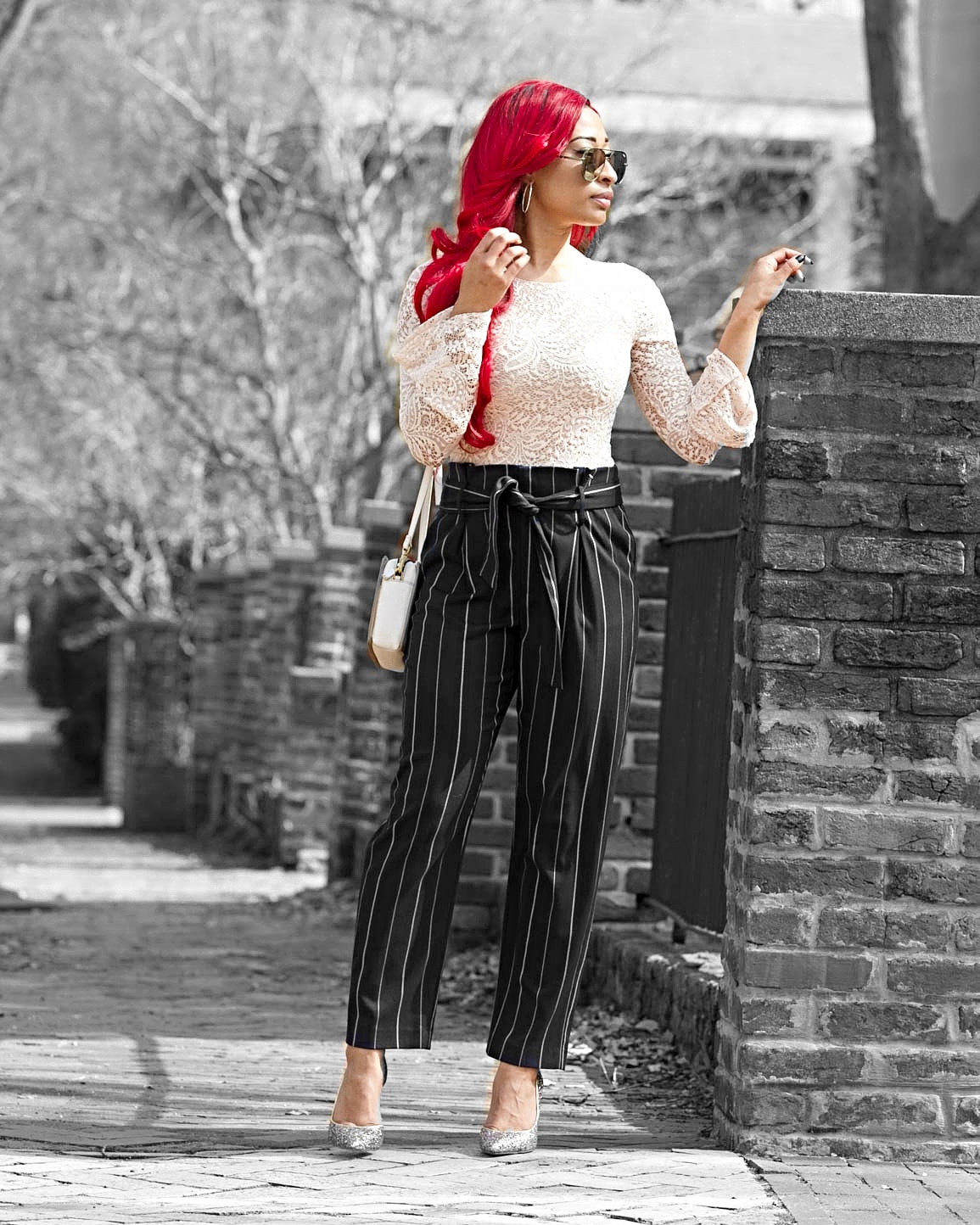
Every garment has a story. For survivors, wearing a specific outfit can evoke memories of strength, resilience, and hope. For example, a survivor might choose to wear a bold red dress to symbolize their courage in overcoming adversity. This act of wearing their story can be incredibly empowering.
Workshops and Programs
Many organizations offer fashion workshops specifically designed for survivors of domestic violence. These programs often include:
Fashion Design: Survivors can learn to create their own clothing, allowing them to express their unique stories through design.
Styling Sessions: Professional stylists can help survivors choose outfits that reflect their personalities and boost their confidence.
Fashion Shows: Some organizations host fashion shows featuring survivors as models. This not only showcases their journeys but also raises awareness about domestic violence.
Case Study: The Empowerment of Fashion
One inspiring example is the "Dress for Success" initiative, which provides professional attire to women in need. This program not only helps women prepare for job interviews but also instills a sense of dignity and self-worth. Many participants report feeling more confident and empowered after receiving their outfits, illustrating the profound impact fashion can have on their lives.
The Intersection of Fashion and Advocacy
Fashion can also serve as a platform for advocacy. Many designers and brands are using their influence to raise awareness about domestic violence and support survivors. Here are some ways fashion intersects with advocacy:
Collaborations with Nonprofits
Fashion brands can partner with nonprofit organizations to create limited-edition collections, with proceeds going to support survivors of domestic violence. This not only raises funds but also spreads awareness about the issue.
Awareness Campaigns
Fashion shows and events can be used to highlight the stories of survivors. By sharing these narratives, the fashion industry can help break the stigma surrounding domestic violence and encourage conversations about healing and recovery.
Social Media Movements
Social media has become a powerful tool for advocacy. Survivors can share their stories and experiences through fashion, using hashtags to connect with others and raise awareness. This digital storytelling can create a sense of community and support among survivors.
Practical Steps for Survivors
For those who have experienced domestic violence and are looking to use fashion as a tool for healing, here are some practical steps to consider:
Start Small
Begin by exploring your personal style. Visit thrift stores or swap clothes with friends to experiment with different looks. This can help you discover what makes you feel comfortable and confident.
Seek Support
Consider joining a local support group or workshop focused on fashion and self-expression. Connecting with others who have similar experiences can provide encouragement and inspiration.
Document Your Journey
Keep a journal or create a vision board that reflects your fashion journey. Include images of outfits that resonate with you, along with notes about how they make you feel. This can serve as a powerful reminder of your progress and growth.
Embrace Change
Fashion is ever-evolving, just like your journey. Don’t be afraid to change your style as you grow and heal. Allow your clothing choices to reflect your current state of mind and identity.
Conclusion
Fashion storytelling is a powerful means of transformation for survivors of domestic violence. By reclaiming their identities through clothing, individuals can embark on a journey of healing and empowerment. Whether through personal expression, community support, or advocacy, fashion has the potential to change lives.
As we continue to raise awareness about domestic violence, let us remember the stories behind the clothes we wear. Each garment carries a narrative, and through fashion, we can help survivors reclaim their voices and inspire others to do the same. If you or someone you know is struggling, consider reaching out to local organizations that support survivors. Together, we can create a world where everyone feels empowered to tell their story.


Comments